
Guides
Beard and Eyebrow Transplants: What to Expect, Step by Step
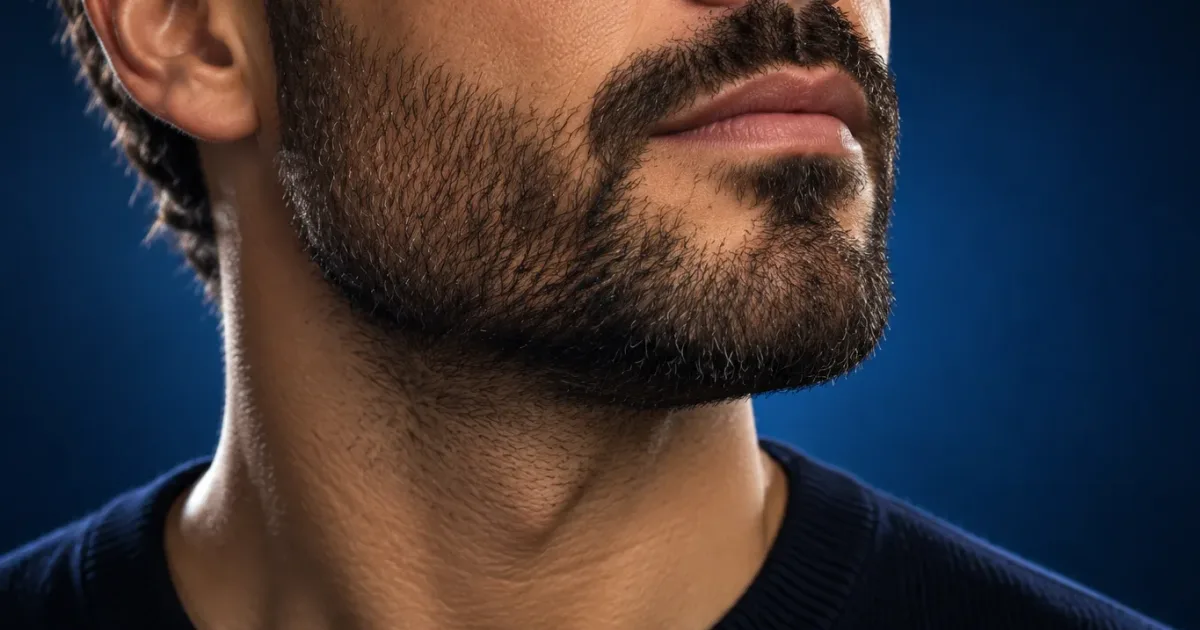
Facial hair transplants follow the same principle as scalp transplants, but the planning is very different. This guide explains donor areas, graft numbers, angles, recovery and what results to expect for beards and eyebrows.
A fuller beard or more defined eyebrows can change the balance of a face. Facial hair transplants are now an established procedure, but they are not simply a smaller version of a scalp transplant. Facial hair grows at very flat angles, in changing directions, and is seen at close range, so planning and precision matter even more.
The short answer
In a beard or eyebrow transplant, individual hair follicles are usually taken from the back of the scalp and implanted one by one into the face, following the natural angle and direction of facial hair. Small crusts settle within about a week, the transplanted hairs usually shed within the first weeks, and new growth typically appears from around 3 months, with the final result visible after 9 to 12 months.
Where the grafts come from
The most common donor area is the back of the scalp, where hair is strong and generally resistant to pattern hair loss. For eyebrows, the finest single-hair grafts are selected so the result looks soft and natural. For beards, hair from under the chin can sometimes be used when it matches the texture of the beard. Your doctor will choose the donor area based on hair thickness, colour and how much reserve you have.
Beard transplant
Common reasons
Patchy areas on the cheeks, a weak cheek line, gaps in the moustache or goatee, and scars where hair does not grow are the most frequent reasons patients ask for a beard transplant.
How many grafts?
Graft numbers vary widely. Filling a moustache or goatee may need several hundred grafts, while building a full beard can need several thousand. A realistic estimate depends on the area, the density you want and your donor supply.
Design
The beard line is drawn with you before the procedure. A natural design follows your jawline and face shape and avoids an overly sharp, artificial edge.
Eyebrow transplant
Common reasons
Thin eyebrows from years of over-plucking, naturally sparse brows, gaps and scars are typical reasons. If eyebrow loss is recent or sudden, a medical cause should be checked first, because some conditions need treatment rather than a transplant.
How many grafts?
Eyebrow restoration usually needs a few hundred single-hair grafts per brow, depending on the shape and density planned.
Angles matter most
Eyebrow hairs lie almost flat against the skin and change direction from the inner brow to the tail. Each graft is placed to follow that pattern. This is why eyebrow work is slow, detailed and best done by an experienced team.
What happens on the day
The procedure is done under local anaesthesia and you are awake throughout. After design and photographs, grafts are extracted from the donor area and implanted into the face, often with a fine implanter pen or needle for precise angles. Eyebrow procedures typically take a few hours, and larger beard procedures can take most of the day.
Recovery, step by step
| Time after surgery | What is normal |
|---|---|
| Days 1 to 3 | Mild redness and small crusts around each graft. Some swelling is possible. |
| Days 4 to 7 | Crusts soften and fall away with gentle washing as instructed. |
| Around day 10 | Most patients can trim or shave the beard again once the doctor confirms healing. |
| Weeks 2 to 6 | Transplanted hairs often shed. The follicles remain in place. |
| Months 3 to 6 | New hairs begin to grow and thicken gradually. |
| Months 9 to 12 | The final density and shape are usually visible. |
Living with the result
Transplanted hair keeps the growth pattern of the area it came from. Eyebrow hairs taken from the scalp grow longer than natural brow hair, so most people trim them regularly and may shape them with a little brow gel. A transplanted beard can be shaved, trimmed and styled like natural facial hair.
Who is a good candidate?
- Adults in good general health with a stable area of hair loss on the face
- People with enough healthy donor hair on the scalp
- Patients who understand that results develop over many months
- For eyebrows, people whose cause of loss has been checked by a doctor
Frequently asked questions
Will a transplanted beard look natural?
When grafts are placed at the correct angle and direction, with single hairs at the edges, a transplanted beard usually blends with existing facial hair.
Can I combine a beard and a scalp transplant?
Sometimes, but both use the same donor supply. Your doctor will plan the total number of grafts so that you keep enough reserve for the future.
Will there be visible scars?
Extraction leaves tiny dot-like marks in the donor area that are usually hidden by surrounding hair. In the face, healing typically leaves no visible marks once the redness has settled.
Is microblading an alternative for eyebrows?
Microblading is a cosmetic tattoo that imitates hair strokes and fades over time. A transplant grows real hair. Some people choose one, some combine both.
To find out what is possible for your beard or eyebrows, book a free online consultation and send us a few clear photos.
More guides
How to Read Hair Transplant Reviews and Before-and-After Photos Before Choosing a Clinic
Reviews and before and after photos are the main way patients compare clinics, but they are easy to misread. This guide shows how to recognise genuine, comparable results, which tricks to watch for and what a trustworthy clinic should be willing to show you.
Best Hair Transplant Technique in 2026: DHI vs FUE vs Sapphire FUE, What the Evidence Says
DHI, FUE and Sapphire FUE are the techniques you will see advertised in Turkey. This guide explains how each works, what the research actually shows, which patients each one suits and why the team’s skill matters more than the technique name.
Best Clinic for Afro Hair Transplant in Turkey: What Real Expertise Looks Like
Afro-textured hair grows from curved follicles, which makes transplantation more demanding. This guide explains the biology, the specific skills an expert clinic needs, the medical risks to discuss and how to tell whether a clinic truly specialises in afro hair.
This article is for general information and does not replace a medical consultation. Results vary from person to person. Your doctor will explain what is realistic for you after an assessment.
Get a free online assessment
Send us a few photos. Our team reviews your case and replies, usually within one business day.