
Techniques
Best Hair Transplant Technique in 2026: DHI vs FUE vs Sapphire FUE, What the Evidence Says
DHI, FUE and Sapphire FUE are the techniques you will see advertised in Turkey. This guide explains how each works, what the research actually shows, which patients each one suits and why the team’s skill matters more than the technique name.
Clinics in Turkey advertise many technique names: FUE, DHI, Sapphire FUE and more. It can sound as if one of them is a breakthrough and the others are outdated. The reality is more balanced. This guide explains each technique in plain language, summarises what the evidence shows and helps you understand what really decides your result.
The short answer
FUE, Sapphire FUE and DHI all extract follicles one by one from the donor area. They differ mainly in how the recipient sites are made and how the grafts are placed. There is no strong evidence that any one technique is best for everyone. DHI offers precise control of angle, direction and depth and is well suited to natural hairlines, curly and afro-textured hair and adding density between existing hairs. FUE with channels can be efficient for very large areas. The most important factors are the skill of the team, careful graft handling and a plan that protects your donor area.
A short history
- Donor dominance (1959): Norman Orentreich showed that hair moved from the back of the scalp keeps its resistance to pattern hair loss, the principle behind all modern techniques.
- Follicular unit transplantation (1990s): surgeons began transplanting hair in its natural groupings of one to four hairs, called follicular units, which made results look natural.
- Follicular unit extraction (2002): Rassman and Bernstein described removing follicular units individually, avoiding the long linear scar of strip surgery. This became the basis of FUE and DHI.
How each technique works
FUE (Follicular Unit Extraction)
Follicles are extracted individually with a small circular punch. The surgeon then opens tiny channels in the recipient area with a fine blade or needle, and the grafts are placed into these channels with forceps.
Sapphire FUE
This is FUE in which the recipient channels are opened with blades made of sapphire rather than steel. Sapphire blades are very sharp and smooth, and supporters say they create cleaner, smaller channels. Published evidence comparing sapphire with steel blades is limited, so it should be seen as a refinement of FUE rather than a different technique.
DHI (Direct Hair Implantation)
Follicles are extracted individually in the same way, but each graft is loaded into a pen-like implanter, often called a Choi implanter, and placed directly into the scalp. The channel is created and the graft is implanted in a single movement, which gives fine control of angle, direction and depth.
Side-by-side comparison
| Feature | FUE | Sapphire FUE | DHI |
|---|---|---|---|
| Extraction | Individual follicles | Individual follicles | Individual follicles |
| Recipient sites | Channels opened first | Channels opened first with sapphire blades | Created as each graft is implanted |
| Control of angle and depth | Good, depends on channel making | Good, depends on channel making | Very precise, graft by graft |
| Shaving of recipient area | Usually needed | Usually needed | Often possible with less shaving |
| Particularly suited to | Large areas | Large areas | Hairlines, density work, curly and afro hair |
| Time per graft | Faster | Faster | Slower, more meticulous |
What the evidence actually shows
- Technique names matter less than execution. Research on graft survival points to handling factors such as time out of the body, hydration and physical trauma as key influences, whichever technique is used.
- Comparative studies are limited. There are relatively few high-quality, head-to-head trials between DHI and FUE, and results vary between studies. Claims that one technique always gives higher survival should be treated with caution.
- Experience matters. Professional bodies such as the ISHRS emphasise surgeon training, patient selection and the doctor’s responsibility as central to safe, natural results.
Which technique suits you?
- A natural hairline is your priority: DHI’s angle control is a strong advantage.
- You want to add density between existing hairs: DHI allows placement between existing hair, often with less shaving.
- You have curly or afro-textured hair: precise implantation helps manage the curve and direction. See our guide to the best clinic for afro hair.
- You need very large coverage in one session: the doctor will discuss whether the speed of channel-based FUE or a staged DHI plan suits your donor area best.
Why Hair in Istanbul uses DHI
We chose DHI because it lets our team control every graft’s angle, direction and depth, which is what makes hairlines look natural and gives curly and afro-textured hair the right flow. DHI is slower and more meticulous, and we plan our schedule around that rather than rushing. We do not offer FUE, and we will always explain honestly if a different approach or a staged plan would serve you better.
Next step
Send us photos of your front, top, crown and donor area. Our doctor will explain which plan suits your hair and why. Read our complete 2026 guide for the full process, or book your operation date.
Frequently asked questions
Is DHI better than FUE?
Neither is best for everyone. DHI gives very precise control of angle, direction and depth, which suits hairlines, density work and curly hair. FUE can be efficient for large areas. The team’s skill matters most.
What is Sapphire FUE?
It is FUE in which the recipient channels are opened with sapphire blades instead of steel ones. Evidence comparing the two is limited, so it is best seen as a refinement of FUE.
Does DHI require shaving?
The donor area usually needs to be trimmed, but DHI often allows implantation with less shaving of the recipient area, especially when adding density between existing hairs.
Which technique does Hair in Istanbul use?
We use DHI for all our hair transplants and do not offer FUE.
More guides
How to Read Hair Transplant Reviews and Before-and-After Photos Before Choosing a Clinic
Reviews and before and after photos are the main way patients compare clinics, but they are easy to misread. This guide shows how to recognise genuine, comparable results, which tricks to watch for and what a trustworthy clinic should be willing to show you.
Best Clinic for Afro Hair Transplant in Turkey: What Real Expertise Looks Like
Afro-textured hair grows from curved follicles, which makes transplantation more demanding. This guide explains the biology, the specific skills an expert clinic needs, the medical risks to discuss and how to tell whether a clinic truly specialises in afro hair.
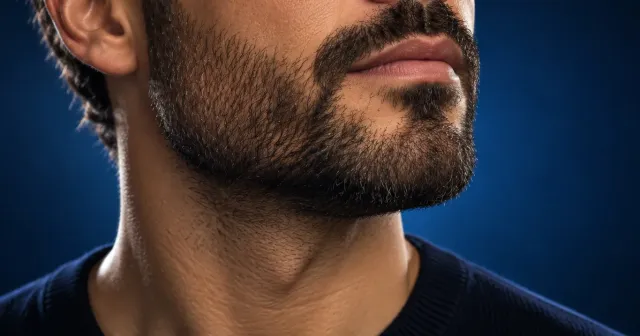
Beard and Eyebrow Transplants: What to Expect, Step by Step
Facial hair transplants follow the same principle as scalp transplants, but the planning is very different. This guide explains donor areas, graft numbers, angles, recovery and what results to expect for beards and eyebrows.
This article is for general information and does not replace a medical consultation. Results vary from person to person. Your doctor will explain what is realistic for you after an assessment.
Get a free online assessment
Send us a few photos. Our team reviews your case and replies, usually within one business day.