
Guides
How to Read Hair Transplant Reviews and Before-and-After Photos Before Choosing a Clinic
Reviews and before and after photos are the main way patients compare clinics, but they are easy to misread. This guide shows how to recognise genuine, comparable results, which tricks to watch for and what a trustworthy clinic should be willing to show you.
When you search for the best hair transplant clinic, reviews and before and after photos are usually what persuade you. They can be very helpful, but only if you know how to read them. A photo taken in different lighting, from a different angle or with wet hair can make a modest result look dramatic. This guide gives you a simple method to tell real results from good marketing.
The short answer
Trustworthy before and after photos show the same patient from the same angles, in the same lighting, with similar hair length and styling, taken at least 12 months after surgery, with the patient’s consent. Trustworthy reviews describe specific experiences, appear steadily over time on independent platforms and include details about follow-up months after surgery. Be cautious of sudden bursts of short five-star reviews, photos without dates and results that only show the day of surgery.
Reading before and after photos
What a genuine comparison looks like
- Same angles: front, top, crown and both sides, before and after.
- Same lighting: bright overhead light can hide scalp; harsh light can reveal it. Both photos should match.
- Same hair condition: dry hair, similar length, no fibres, sprays or heavy styling.
- Clear timing: the “after” photo should be at 12 months or later, when the result is close to final.
- The donor area too: good clinics show the back of the head, so you can see it was not over-harvested.
Common tricks to watch for
- Wet “before” photos and dry, styled “after” photos.
- Different camera distance or angle, which changes how dense hair appears.
- “After” photos taken just days after surgery, before shedding, which do not show the final result.
- Only the hairline from the front, never the top, crown or donor area.
- Heavy filters or editing, and identical backgrounds that look like stock images.
Compare like with like
Results depend on your starting point. Look for patients with a similar degree of hair loss, similar hair type and similar donor density. Results in fine, straight hair will look different from results in thick, curly or afro-textured hair. If your hair is afro-textured, read our guide to the best clinic for afro hair.
Reading reviews
Signs of genuine reviews
- Specific details: the doctor’s involvement, the hotel, the first wash, how questions were answered weeks later.
- Updates over time, such as at six or twelve months.
- A steady pattern over years, rather than dozens on one day.
- A mix of ratings, with replies from the clinic that address concerns respectfully.
Warning signs
- Large numbers of very short reviews posted in a short period.
- Reviews that only praise the hotel or transfer, never the result.
- Reviewers with no other activity on the platform.
- Reviews offered in exchange for discounts or gifts, which many platforms do not allow.
Remember that a review written on the day of surgery describes the service, not the result. Hair growth takes months, so the most informative reviews are written later.
Questions to ask a clinic about its results
- Can I see 12-month results in patients with hair loss and hair type similar to mine?
- Do you have consent from these patients to show their photos?
- Can you show the donor area after surgery as well as the recipient area?
- How do you take your before and after photos, and are they edited?
- What happens if my result is less than expected?
How Hair in Istanbul handles results and reviews
- We publish patient photos only with written consent, and our panel blocks publication without it.
- We take follow-up photos at structured intervals during 12 months, so we can show how results develop.
- We show results honestly, including the donor area, and we do not use filters to exaggerate density.
- We ask patients for feedback after their result has developed, not only after surgery.
You can see our results on our Before and After page and compare them using the checklist above.
Putting it together
Use photos and reviews as one part of your decision, alongside the medical criteria in our guide to the 10 signs of a truly top clinic. When you are ready, send us your photos for a plan and written quote, or book your operation date.
Frequently asked questions
How can I tell if before and after photos are genuine?
Genuine photos show the same patient from the same angles, in the same lighting and with similar hair condition, taken at least 12 months after surgery, with consent. Be cautious of wet versus dry hair, different angles and heavy editing.
When should after photos be taken?
At 12 months or later. Photos taken in the first weeks show the procedure, not the final result, because transplanted hairs usually shed before regrowing.
Are online hair transplant reviews reliable?
They can be useful if they are specific, appear steadily over time and include updates months after surgery. Bursts of short five-star reviews are a warning sign.
Should a clinic show the donor area?
Yes. Showing the donor area after surgery helps you see whether grafts were taken safely without visible thinning.
More guides
Best Hair Transplant Technique in 2026: DHI vs FUE vs Sapphire FUE, What the Evidence Says
DHI, FUE and Sapphire FUE are the techniques you will see advertised in Turkey. This guide explains how each works, what the research actually shows, which patients each one suits and why the team’s skill matters more than the technique name.
Best Clinic for Afro Hair Transplant in Turkey: What Real Expertise Looks Like
Afro-textured hair grows from curved follicles, which makes transplantation more demanding. This guide explains the biology, the specific skills an expert clinic needs, the medical risks to discuss and how to tell whether a clinic truly specialises in afro hair.
Beard and Eyebrow Transplants: What to Expect, Step by Step
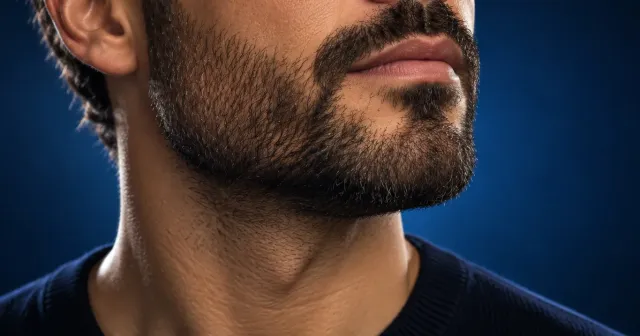
Facial hair transplants follow the same principle as scalp transplants, but the planning is very different. This guide explains donor areas, graft numbers, angles, recovery and what results to expect for beards and eyebrows.
This article is for general information and does not replace a medical consultation. Results vary from person to person. Your doctor will explain what is realistic for you after an assessment.
Get a free online assessment
Send us a few photos. Our team reviews your case and replies, usually within one business day.